01
Copied creative work
Images, videos, articles, courses, software, documents, and paid digital products.
DMCA Enforce helps creators and businesses organize evidence, choose the correct reporting route, and follow every protection request from discovery to resolution.
A copied page, fake account, counterfeit listing, leaked file, or harmful search result may look similar from the outside. The correct enforcement path depends on the rights involved and where the misuse appears.
Images, videos, articles, courses, software, documents, and paid digital products.
Fake accounts, impersonation, misleading domains, unauthorized branding, and deceptive sellers.
Social networks, marketplaces, hosts, app stores, search engines, and public websites.
The objective is not simply to send a notice. It is to keep ownership, evidence, destinations, responses, and next actions connected.
A clear record of ownership, URLs, dates, accounts, and prior reports makes every next step easier to review.
Copyright, trademark, impersonation, privacy, search, and marketplace concerns should not be treated as the same report.
Case history, responses, follow-ups, and next actions stay connected instead of disappearing inside scattered email threads.
Collect URLs, screenshots, ownership records, account history, and the business impact of the issue.
Match each target to the most suitable platform, host, search, marketplace, or legal reporting process.
Submit clear notices, record responses, organize follow-ups, and maintain a transparent case timeline.
Use monitoring, evidence readiness, and brand controls to make future enforcement faster and more consistent.
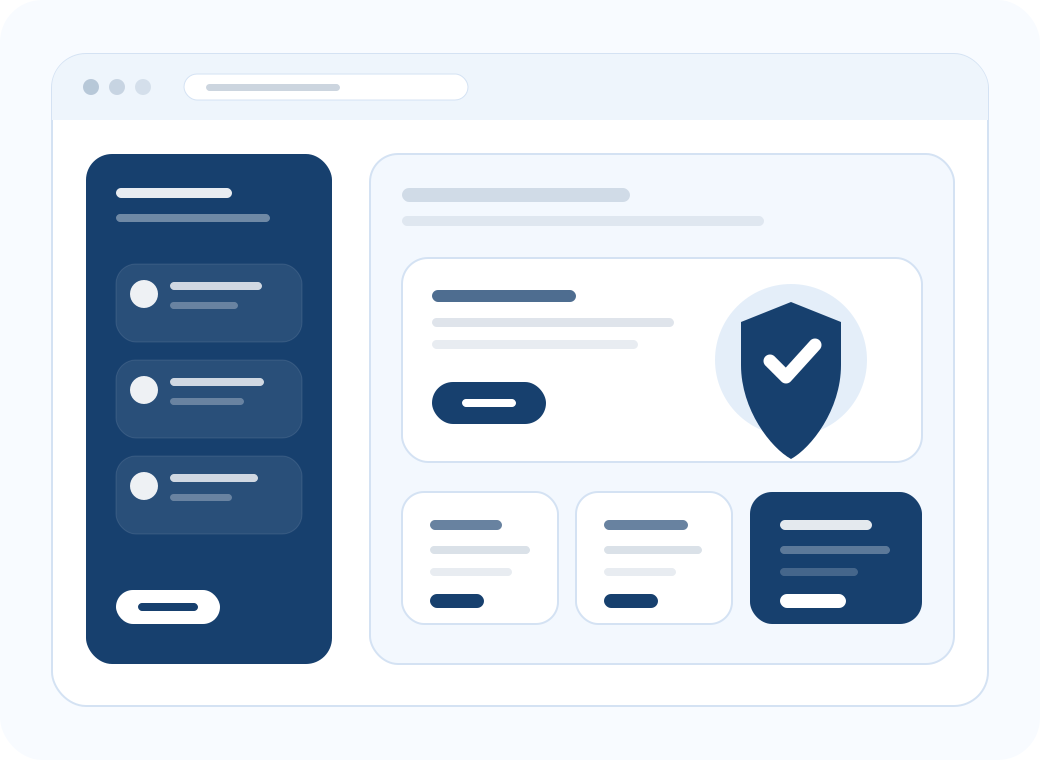
The client workspace keeps submitted URLs, ownership details, case status, platform information, and administrative updates connected to the same request.
The same workflow can support a creator protecting original media, an educator protecting paid material, or a product company addressing copied listings and identity misuse.
Photographers, filmmakers, designers, artists, podcasters, and production teams.
Course creators, training companies, authors, newsrooms, and membership communities.
Product companies managing counterfeit listings, copied media, and unauthorized sellers.
Software teams protecting applications, documentation, interfaces, and digital assets.
Consultancies, law firms, marketing teams, and reputation-sensitive service businesses.
Talent, labels, platforms, and rights owners handling wide digital distribution.
A digital education business discovers its videos and downloadable resources shared across multiple channels.
Map the distribution points, preserve evidence, prioritize high-impact sources, and coordinate platform-specific copyright reports.
A repeatable enforcement workflow that focuses first on visibility, access, and the most damaging sources.
The best starting point is accurate ownership information, useful evidence, and a realistic understanding of third-party platform decisions.
Prepare the original work, ownership records, affected URLs, dated screenshots, account details, previous reports, and the outcome you are seeking.
Submit the affected URLs, ownership details, and supporting records so the next action can be selected with context.